Superyacht Training FAQs
Superyacht Training Frequently Asked Questions
Below are some questions and answers about working on a Superyacht to help you decide whether a career in the superyacht industry is right for you. As well as the written FAQs below we also have links to two FAQ videos that we have produced. These links can be found at the bottom of this page.
What is the crew structure onboard a Superyacht?
On the largest Superyachts the crews would be split into 5 sections: Bridge, Engineering, Galley (kitchen), Domestic and Above Decks.
The bridge is where the vessel is commanded and navigated from by a Captain, First Officer, and Watch Officers.
Engineering would have a Chief Engineer plus assistants.
The galley often has at least two professional chefs plus assistants.
Domestics are managed by a Chief Steward with a team of Stewards responsible for cleaning below decks.
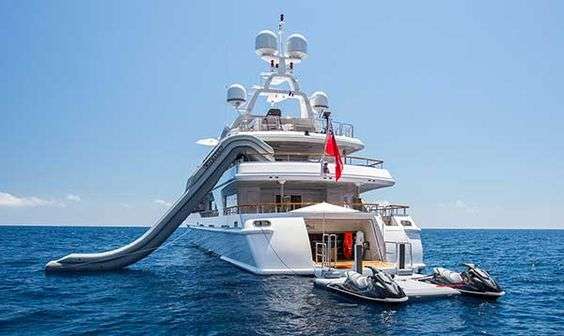
Above deck duties are often managed by a Bosun with a team of Deckhands responsible for the cleaning and maintenance of the yacht, it's tenders, jet skis and any other watersports equipment.
What sort of jobs will I be doing as a Deckhand?
The duties of a Deckhand would include the cleaning and maintenance of: the vessel's hull and teak decks, deck winches and machinery, tenders and skis etc. In addition, ropework, whipping and splicing, and most importantly working with the owner, his family and his guests to manage their watersports and drive the tenders.
What is the average pay if new to the Superyacht industry?
Someone starting out as a deckhand on a superyacht can expect to be paid round £2,000 per month. Don't forget that this is tax free, and as you will be living on the yacht whilst working, you will not have any rent or bills to pay. You will also be fed whilst on board so no food to buy. All in all an extremely good salary for someone in their late teens, or twenties!
What are the work patterns that are used onboard?
There are various work patterns used on superyachts for their crew, and normally depends on your position on the yacht and how much experience/qualifications you have. Usually the higher the position on the boat the better the work pattern. You should expect to start on a 5 months on 1 month off pattern. Remember you still get paid on the months you do not work.
More experienced Deckhands and Bosuns would be on a 4 months on, 2 months off pattern.
The Captain, First Officer and Senior Stewards and Bosuns may be on a 2 month on, 2 month off pattern.
How long are the hours?
This will depend on the vessel you are working on, but do expect to be working long hours. It is not a usual 9-5 job. If you are working on a superyacht which is used for charters, then you will be working hard not only to prepare the vessel ready for the charter guests, but also when the guests are on board. It can be very hard work if you're doing constant charters, however, there is a bonus in that it is common for a 10% charge to be made on the overall charter fee for crew tips. Therefore, you will earn extra money on top of your basic salary. In some cases you may double your basic wage!
For those working on privately owned yachts, then you will be maintaining the yacht whilst the owner is not on board and then when they are on board making sure everything is done to their satisfaction. In this case your hours will vary depending on whether the owner is onboard, so you are likely to get more downtime than on a charter vessel. However, you are unlikely to receive any tips.
What is the crew accommodation like onboard?
The vessel will have crew quarters onboard, with a kitchen area, toilets and showers and cabins to sleep in. As a deckhand or steward you will have to share a cabin with at least one other person. On larger vessels this can be up to 4 crew in one cabin. These cabins will all be same sex cabins, so you will not be asked to share with someone from the opposite sex to you.
When does the season run from and to?
It is up to the Superyacht owner where the vessel is kept, but generally, superyachts tend to spend the spring/summer months in the Mediterranean and the autumn/winter months in the USA & Carribean.
When are the main recruitment windows?
Recruitment happens all year round as crew tend to leave and move to different yachts throughout the year.
How do you find a job and how hard is it to get a position?
The best way to find a job, once you have completed at least the basic training, is to sign up with a Superyacht Crew Agency. There are numerous agencies out there who work with the owners of the yachts to supply their crew.
What do you think are the qualities needed for Superyacht crew?
To be part of a superyacht crew you need to be able to work as a team, be a hard worker, and take pride in the job your are given, whatever it is. Enthusiasm for your role on the yacht is a must, as well as being polite and professional at all times.
If you are not on duty, and not on the boat for rest periods, where do you live?
The simple answer is that it's up to you. You can either fly home to see family or friends, or you could go travelling anywhere you would like. As long as you're back on the yacht in time for your next work pattern.
How often can you return to the UK and is travel paid for?
Usually the job will include at least one return flight home per year, but this will depend on your employment terms and conditions which will be explained to you by the person offering you the job. Don't be shy to ask your recruiters lots of questions, that is what they are there for, to find you the right job and to find the superyacht the right crew.
If you would like a fuller answer to the questions asked above, and answers to other questions then please watch our two FAQ videos by clicking on the links below:
Superyacht Training FAQs - Part One
Superyacht Training FAQs - Part Two